


PT Dua Jangkar Indonesia continues to demonstrate its capability in deploying professional workforce to the Distant Water Fishing sector. Our crew members have officially joined and commenced duties aboard a Squid Jigger vessel flying the Chinese flag.
The fleet is scheduled to operate in strategic international fishing zones, specifically in the high seas off Peru (Pacific Ocean) and Argentina (Atlantic Ocean). This deployment underscores the mental and physical readiness of Indonesian seafarers to face the challenges of long-haul maritime operations.
Below is an insight into the technology and fishing methods used in this industrial-scale operation.
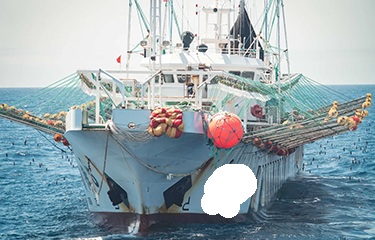
Understanding Modern Squid Jigging Operations
The vessel where our crew operates employs the industrial-scale Squid Jigging method. This is a highly efficient and specific technique that serves as the standard for China’s distant water fishing fleets.
Technology and Mechanism:
- Intensive Light Attraction: The fundamental principle of this method utilizes the biological trait of squid, which are attracted to light (positive phototaxis). At night, the vessel activates high-intensity floodlights installed on the deck or uses underwater lamps. This strong illumination serves to lure and congregate schools of squid around the vessel.
- Automated Reeling Systems: Unlike traditional manual fishing, these industrial vessels utilize rows of automated machines along the ship’s sides. These machines mechanically control the fishing lines, moving them up and down in a continuous, rhythmic motion. This movement mimics the behavior of small prey, stimulating the squid to strike the bait.
- Specialized Jig Design: A single fishing line carries multiple artificial lures (jigs) attached at specific intervals (typically 70-90 cm). The hooks on these jigs are designed to be barbless. This unique design allows the caught squid to easily fall off the hook into collection trays when the line is hauled aboard, significantly speeding up the catch handling process.
Challenges in Peruvian and Argentine Waters
Operating in the waters of Peru and Argentina presents its own set of challenges. These regions are known as some of the world’s most productive squid grounds but are also characterized by harsh natural conditions, including high waves and cold weather.
The crew from PT Dua Jangkar Indonesia has been equipped with the training and understanding of these automated systems, ensuring they can work synergistically within a multinational team to maximize catch efficiency in international waters.