

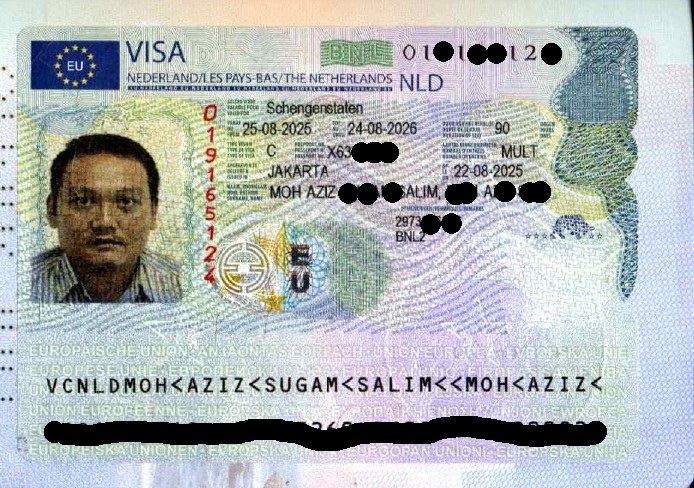
PT Dua Jangkar Indonesia continues to expand its operational reach in Europe. Our crew members have officially joined and are working aboard a commercial fishing vessel flying the Netherlands flag.
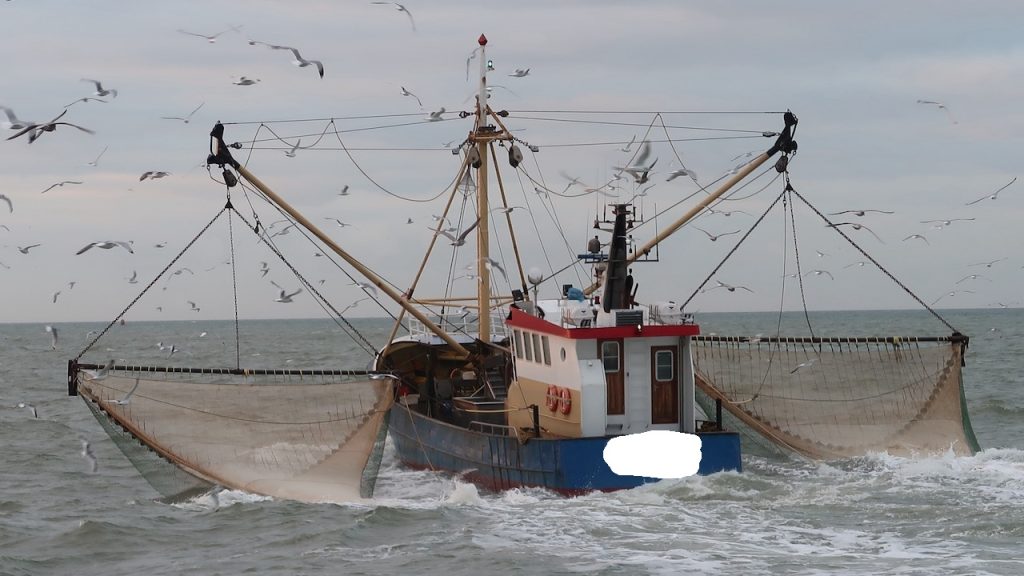
The vessel operates as a Beam Trawler, specifically targeting shrimp. The deployment of our crew to this Dutch fleet demonstrates international confidence in the competence of Indonesian seafarers in operating complex and modern fishing gear.
Below is an overview of the Beam Trawling method utilized by this vessel.
Understanding Beam Trawling
In the North Sea and Dutch fishing industries, Beam Trawling is a highly popular and efficient method, particularly for catching shrimp and flatfish.
What is Beam Trawling? Unlike standard trawls that rely on water flow to keep the net open, a Beam Trawl has a unique characteristic. The mouth of the net is held open horizontally by a rigid beam made of wood or metal, which can be up to 12 meters long.
This structure allows the net to remain open and stable regardless of the vessel’s speed or water currents, making it a highly effective tool.
How Does It Work?
In the Netherlands, the most common technique used is the Double Rig. Here is an overview of the operations our crew will be handling:
- Double Rig System: Dutch vessels typically operate two nets simultaneously, rigged from booms on both sides of the vessel. During fishing operations, these booms are lowered into a horizontal position.
- Targeting the Seabed: Beam trawls are designed to operate on the seabed (typically at depths of less than 100 meters), where shrimp and bottom-dwelling fish are found.
- Catch Mechanism: The bottom part of the gear is equipped with rollers or tickler chains. As the gear moves over sandy or muddy grounds, these rollers stimulate the shrimp to “jump” vertically.
- Entering the Net: Since the net’s mouth is held open by the beam above, the jumping shrimp are efficiently caught in the codend of the net.
Expertise and Handling
Using this method requires specialized skills. In addition to operating heavy gear, the crew is responsible for handling the catch. Caught shrimp must be processed immediately. If the vessel is not equipped with a freezer, the shrimp are placed in polyethylene bags and stored in crushed ice to maintain freshness until the vessel lands.
We are proud to deploy skilled personnel capable of adapting to the high fishery standards applied in the Netherlands.