

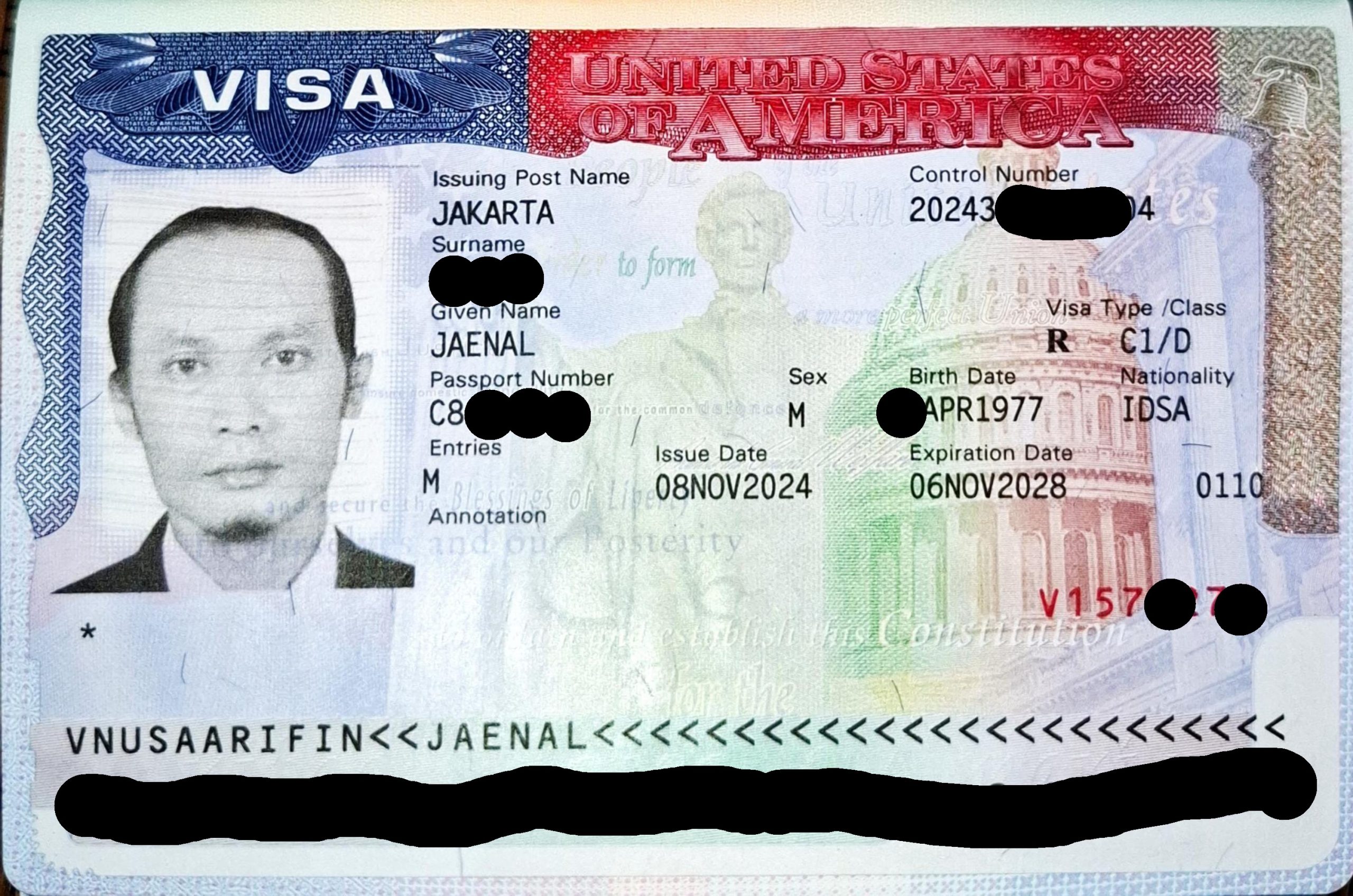
PT Dua Jangkar Indonesia continues to demonstrate its presence in the international fishing industry. This time, crew members from PT Dua Jangkar Indonesia have officially joined and are working aboard commercial fishing vessels based in Florida, United States.
These crew members will be operating using a specific fishing method known as Longline Fishing. Below is an explanation of the fishing method that will be carried out by our crew.
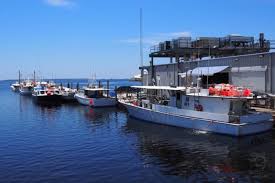
Understanding the Longline Method
Humans have relied on the ocean for sustenance for centuries. As times have changed, fishing techniques have evolved. However, one of the most traditional techniques that remains a staple in modern commercial fishing is “longline fishing.”
What is Longline Fishing?
Longline fishing, also known as “hook and line,” is a commercial fishing technique used to catch various types of fish. This technique involves the use of a very long horizontal main line—which can span several miles—fitted with many baited hooks attached at regular intervals.
This method is quite flexible as it can be used to catch pelagic fish (mid-water) or demersal fish (bottom-dwelling), depending on the target species.
How Does It Work?
In United States waters, such as those off the coast of Florida, longlines are used to target species like tuna, swordfish, halibut, and cod. This commercial fishing technique works through several stages:
Soaking: The longline is left in the water for a period of time to allow the baited hooks to attract and catch fish. The soak duration varies depending on fishing regulations and the behavior of the fish.
Setting the Longline: The fishing vessel deploys the main fishing line into the water. This line can be set near the sea floor or suspended at a specific depth to catch specific fish species.
Baited Hooks: Baited hooks are attached at intervals along the main line. The bait used varies, ranging from squid and mackerel to sardines, depending on the preference of the target species.